Commercial Roofing in Historic Hollywood Business District, Hollywood, FL
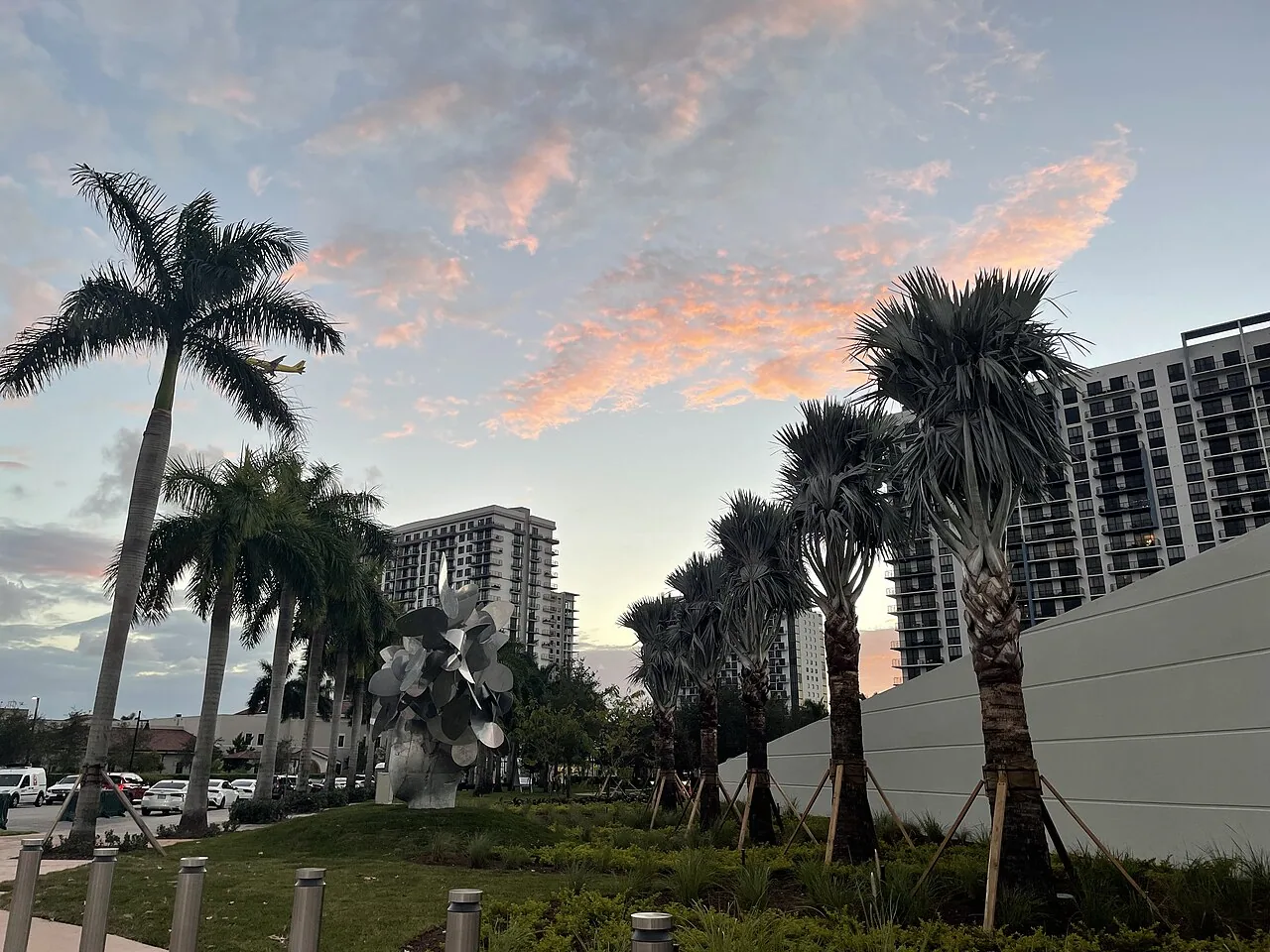
The Historic Hollywood Business District centers on Hollywood Boulevard between 21st Avenue and Young Circle. Commercial activity also reaches Harrison Street, with events at Young Circle. For each property, we inspect the roof assembly and transitions before setting a repair or replacement scope. We inspect the existing roof and its transitions before proposing a repair or replacement. The walk checks edge metal, seams, drains, penetrations and flashing, while the interior report helps trace water entry. If preservation review may apply, we document the visible profile and proposed changes so the owner can coordinate the appropriate process. A commercial roof inspection for a roof in the Young Circle and Hollywood Boulevard district starts with drainage, edge details, access and the building's operating window.
What should be recorded on an older roof?
Age should not be guessed from the district name. We record what the roof shows: membrane or metal, visible layers, patches, drain locations, edge conditions and the way walls and curbs meet the field. If records are missing, we mark what is observable and where a test opening could confirm the layers. The owner then has a basis for comparing a local repair with a more complete scope.
The district's original layout blended residential, business and recreational uses along landscaped boulevards. That mixed setting can put different operating needs close together, so we confirm access and protection at the property. A roof condition report with photographs can show the location of each observation, distinguish confirmed damage from a question and note which area could not be reached. For a building with active tenants, those records help management coordinate follow-up without treating the block as one roof condition.
Before any visible edge or roof profile changes, we can photograph the existing detail from consistent angles and label the roof area. That record gives the owner a useful reference during review and helps compare the completed work with the approved detail. It also reduces ambiguity when an older repair crosses several layers or a later addition meets the original field. We identify the limits of what the inspection can see and note any opening or drawing needed to confirm concealed construction. The recommendation can then be priced with its assumptions stated clearly.
How does preservation review affect a scope?
Where a designated historic property is involved, the owner may need city preservation review before changing visible roof details. We document the existing edge, profile, penetrations and transitions, then describe the proposed repair or replacement detail for the owner's coordination. Before final pricing, confirm preservation review and permit requirements for the actual property and proposed work. That information can affect submittal timing and material selection, so it belongs in the schedule before ordering or removal.
Hollywood's regional links include the Turnpike, I-95, CSX and FEC railways. At the building, we confirm roof entry, equipment staging and any tenant path that must stay open. A replacement scope lists the roof area, removal assumptions and edge details being changed. If evidence supports a smaller correction, a localized repair can be priced separately from work that depends on further review.
Where do roof leaks cross the old and new work?
Transitions deserve close attention when previous repairs or additions meet the existing roof. We inspect the lap, termination bar, curb flashing, wall detail and drainage path around the reported leak. Water can run beneath a membrane before it appears inside, so we compare more than the nearest surface defect. If a coating is present, we check adhesion, moisture indicators and the condition beneath it before recommending another layer. A test area may be appropriate when the visible surface cannot answer what is below.
In Hollywood's historic business district, we document the roof profile and flashing details before recommending any work that changes the visible edge. South Florida's flood, hail, tornado, temperature and wind hazards put roof drainage, edges and equipment attachments on the post-event inspection list. We can inspect drains and scuppers and document any open seam or displaced edge metal. For a separate flashing concern, the scope identifies the transition and adjacent material rather than treating all roof area as affected.
How can roof work respect an active block?
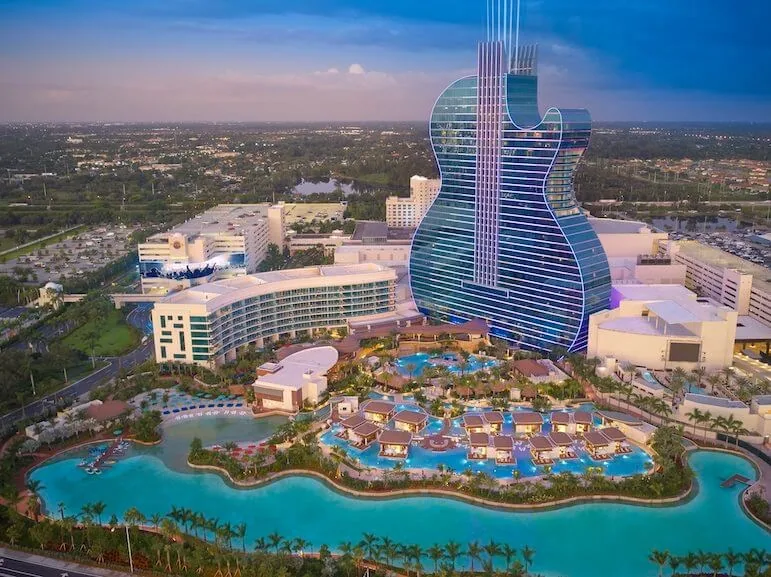
Before work begins, we confirm roof entry, staging, tenant hours and the areas below that need protection. If an occupied space needs quiet or uninterrupted access, we set a work window and phase the sections accordingly. Every opening has a dry-in plan. The crew documents progress and secures the active area before leaving. If removal reveals concealed wet insulation or deck damage, we photograph it, keep the exposure protected and request approval before expanding the work.
A clear roof repair plan records the observed conditions, work limits and any approval needed for the next step. Cost and timing depend on access, material removal, edge detail, insulation, substrate work and the amount of protection needed below. A phased occupied-building reroof can be considered when the assembly and operating calendar allow. A Hollywood Boulevard property contact should identify the affected roof area, pedestrian access and work-hour limits before a visit.
More about Historic Hollywood Business District
What gives the owner a useful next step?
A useful closeout records the roof area inspected, dated photographs, repair boundary, approvals and items left open. If preservation review or another approval changes the selected detail, keep that direction with the roof file. Mark the work completed and any area that still needs testing. This keeps a later maintenance walk connected to the decision made today. For capital planning, we can separate immediate leak control from replacement items that need design or permit coordination.
For roofs in Hollywood commercial properties or this district, keep findings, quantities and access notes tied to each building. We tie the recommendation to its actual membrane, flashing and drainage. If the building has a coating, the restoration assessment checks whether the substrate and details can support that choice. A roof capital plan can show near-term work and future decisions in separate steps. The owner receives a marked scope, completed work and any open test or approval item. For a street-side building, we map the protected sidewalk area, material path, lift position and time each entrance must remain clear. The property contact can review the sequence with tenants or public-facing staff before removal begins. The file should record who accepted the completed protection.
Commercial Roofing Questions
Does historic district status mean the roof is original?
No. The district history does not establish a building's roof age or layers. We inspect visible material and use records or a test opening where more evidence is needed.
Should preservation review happen before replacement is priced?
We can document the existing details and outline a preliminary scope, but the owner should confirm applicable city review before final material and detail selections. That can affect schedule and submittals.
How do you tell whether an old repair is still holding?
We inspect its perimeter, nearby seams, flashing and interior reports. The photo record identifies the repair condition and whether a test or a broader moisture survey is warranted.
Can you separate urgent leak work from capital planning?
Yes. We show immediate protection or repair separately from replacement work that needs design, approval or additional testing. Each item includes its condition and next decision.
Can roof work continue while businesses are open?
Before work starts, we agree with property management on entry notices, barrier locations, and which storefront or interior routes must remain open. The roof sequence then sets a work window and dry-in limit for each opened area.
Miramar, Pembroke Pines, Davie, Hollywood, Opa-locka, Miami Gardens, Miami Lakes and Doral in Broward and northern Miami-Dade County.
Request a Roof Assessment
Send the building address and what the roof is doing. We reply with a roof visit date and a written scope.