Commercial Roofing in Opa-locka Industrial Area, Opa-locka, FL
Industrial property roofs have to protect work space, equipment and the schedule below. The industrial district lies within Opa-locka's redevelopment area, whose boundary reaches the Tri-Rail and CSX corridor. We inspect the roof assembly, mark drainage and perimeter details, and connect visible conditions to a defined repair or renewal choice. A commercial roof inspection gives the owner a photo record. For buildings elsewhere in Opa-locka, we inspect each assembly and access plan before setting scope.
What should the roof walk account for?
The word industrial does not identify a membrane, deck or insulation package. We check the actual assembly, roof access, drains, wall transitions, curbs, seams and edge metal. Equipment service paths may cross a repair area, so the property contact helps us identify what must remain accessible. We record visible damage and compare it with interior reports. If water can travel beneath the surface, we mark a test area rather than stretching a small repair to cover an unconfirmed path.
Opa-locka's economic-development strategy supports commercial investment and local entrepreneurship, while the redevelopment agency identifies separate industrial and commerce districts. The property manager confirms the building's current operations and access needs before we plan the work. A flex-industrial roof assessment can account for mixed work and storage use, while curb and equipment detail work addresses a confirmed roof interface.
How do you find the path behind a leak?
We trace from the reported interior mark toward the roof details that can admit or redirect water. Drains, scuppers, laps, penetrations and curb flashing each need a separate look. Water may follow a low point before showing in another room. We note what we can see and what needs a test opening. A blocked drain calls for a different correction than a split seam; the written scope should distinguish them.
The Industrial Area is a primary district within Opa-locka's redevelopment area. Our scope begins with the roof conditions observed at the property. South Florida rain and wind make drainage and attachment worth checking. We photograph the roof details and review them with the owner before setting scope. A moisture survey can help select locations for confirmation where the assembly hides water. If an outlet is restricted, a drainage repair review can define that work separately from membrane repairs.
Which details deserve a closer look after wind?
Perimeters, corners, seams and rooftop supports are common points to inspect after a strong-wind report. We look for displaced edge metal, open laps, lifted membrane or movement at a curb. Photographs preserve the observed condition before temporary protection changes it. A roof observation and an interior leak report belong in the same record, but neither should be used to claim a cause that has not been confirmed.
The redevelopment boundary reaches the Tri-Rail and CSX corridor, which helps orient the service area without predicting access at an individual property. After a reported event, we inspect the building's attachment and water-entry details and record only conditions observed at that roof. Our wind-damage inspection records what moved and where the assembly may have opened. For an Opa-locka industrial property, report the affected zone, loading path and equipment access before planning the inspection. The emergency roof response scope distinguishes active water entry from temporary protection and permanent industrial-roof repair.
How do you separate an urgent fix from capital work?
An isolated puncture or failed flashing can be repaired when the surrounding material remains sound. Broad moisture, recurring leaks, poor attachment or a questionable deck can make a larger comparison useful. We document existing layers, insulation, edge height and drainage before considering recover or coating. Wet insulation should not be hidden beneath another system. The owner receives a repair limit, assumptions and any condition that could change the work.
Opa-locka's redevelopment boundary reaches the Tri-Rail and CSX corridor, while its economic strategy supports commercial investment. The property manager confirms the delivery route, tenant schedule and roof access for each visit. Cost and duration depend on measured area, removal depth, deck repairs, insulation, equipment clearance, protection below and daily dry-in. A capital plan can place a confirmed repair beside longer-term assembly needs, and the owner can compare removal with a recover where conditions allow.
Florida put its eighth Building Code edition into effect statewide on December 31, 2023. A design professional and building official confirm the provisions that govern the proposed work; the date alone does not define a project scope. Before a replacement scope is finalized, we identify the existing assembly, edge conditions, drainage elevations and fastening questions that affect design. This keeps the budget comparison connected to the actual roof rather than a generic system assumption. If concealed conditions remain, the proposal states how testing and approvals would affect the next step.
More about Opa-locka Industrial Area
How can production continue during roof work?
We coordinate a work window, material path and protected zone with the site's contact before the roof is opened. A shift should end with the active area secured against weather. Dividing a large roof into sections can reduce the area exposed at once and make it easier to coordinate equipment access. If removal exposes wet insulation or damaged deck, we stop at the authorized boundary, photograph the finding and get direction before adding work.
For each property, we record roof entry, loading limits, equipment that must remain in service and the person who can approve a scope adjustment. An Opa-locka Downtown roof review addresses a separate city area using the same roof-first approach.
Which records keep the next decision clear?
Keep the roof sketch, photos, approved repair limit, testing results and closeout record together. Note the date and weather concern that prompted a visit, the details repaired and any area left for monitoring. When management changes, those records let the next person distinguish completed work from open questions. A marked condition record can support maintenance decisions without suggesting that every observation needs immediate replacement.
Opa-locka's industrial district and Tri-Rail/CSX corridor define broad area context. For a roof, we trace drainage and flashing, mark seams and identify which section has safe access. Share the property's access contact and reported water location. We will trace drainage, flashing and seams, then leave a condition record that separates repair, testing and budget questions.
Record the dry-in method and final photographs for any section opened during work. If a second trade must move equipment or restore a service line, identify that dependency before the schedule is set. Those details can affect a roof's safe work window and the order of repairs. The closeout should show the final condition at the repair boundary, not just the materials delivered.
Commercial Roofing Questions
Does the industrial district tell you which roof system is installed?
No. The district designation is area context. We inspect the building to identify visible layers, drainage, edges and penetrations, then state what remains concealed or needs testing.
Can you inspect around operating equipment?
We coordinate the roof path and equipment clearance with the site contact. If machinery or service lines limit access, we mark the affected area and plan the work window around the confirmed restriction.
What happens if an opening reveals wet insulation?
We photograph the finding, record its location and compare it with the approved limit. The owner reviews added quantities and the repair approach before the scope expands.
How do you confirm roof conditions after a wind report?
We inspect attachment, seams, flashing and interior signs at the building, then record any movement or water entry observed during the visit.
How do you keep a roof project on budget?
We identify measured areas, access needs, removal assumptions, insulation and deck conditions, and protection below. Any test or concealed finding that could change quantities is called out for approval.
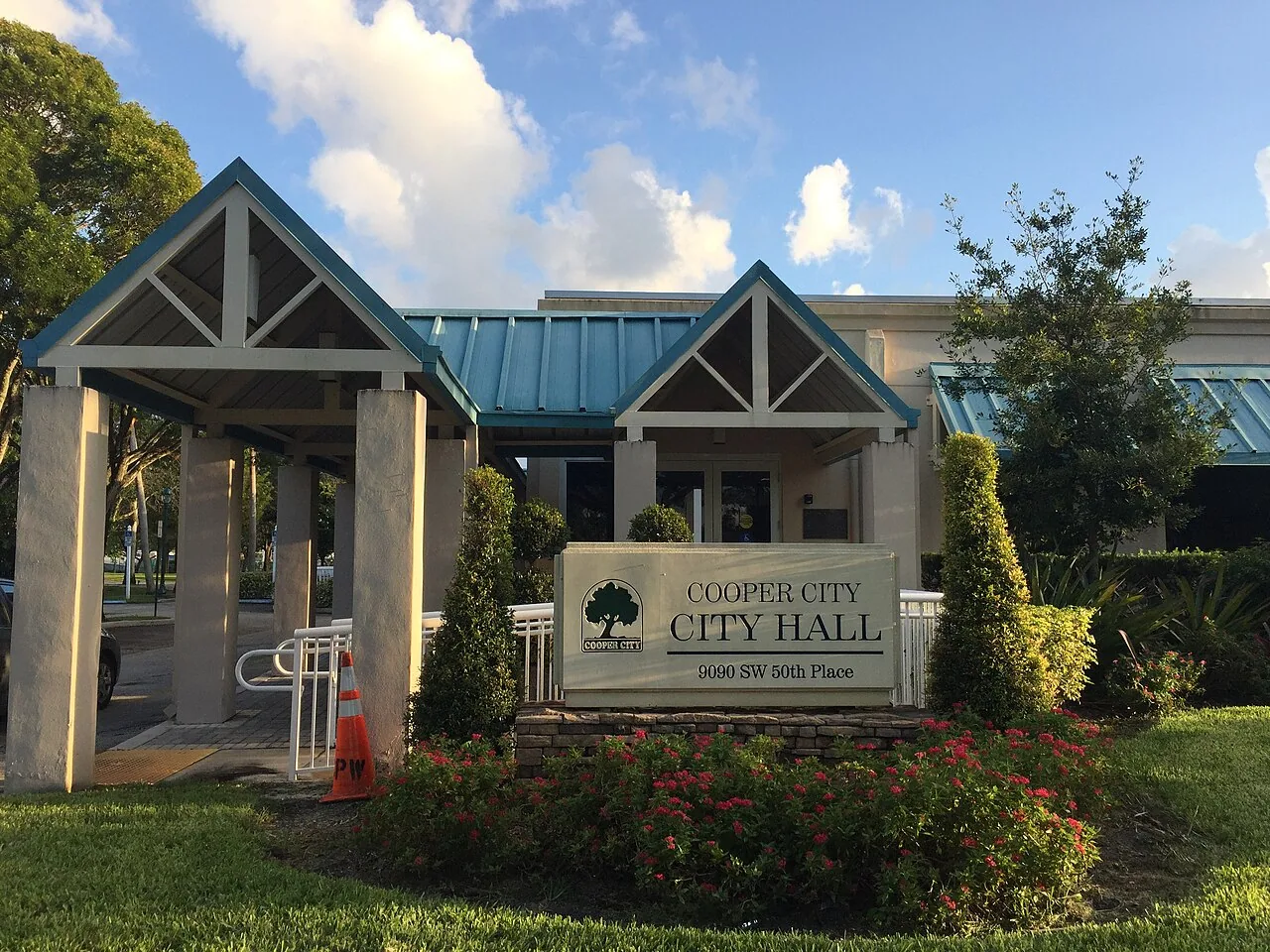
Miramar, Pembroke Pines, Davie, Hollywood, Opa-locka, Miami Gardens, Miami Lakes and Doral in Broward and northern Miami-Dade County.
Request a Roof Assessment
Send the building address and what the roof is doing. We reply with a roof visit date and a written scope.