Commercial Roofing in Harrison and Tyler Historic Districts, Hollywood, FL
Harrison and Tyler streets were early centers of commercial and residential growth in Hollywood. The districts include historic buildings as well as residential, commercial and mixed-use properties. That mix makes a property-level roof review more useful than assumptions based on a district name. We document the existing assembly, transitions, drains, penetrations and visible repairs, then compare those details with the owner's leak or capital concern. If a designated property may need preservation review, the roof scope should identify the proposed visible changes early. A commercial inspection creates the condition record, and our work extends to the Historic Hollywood Business District.
How does a mixed-use building change access?
Roof entry may pass through occupied space, and equipment or tenants can limit when work happens. We confirm who can open the roof hatch, which rooms need protection, where materials can be staged and which hours are available. The field walk then records the roof area by area: membrane or metal, seams, curb flashing, drains, edge metal and signs of prior patching. A historic designation does not tell us the assembly or condition. We rely on what is visible and note when a test opening or records review is needed.
The districts include residential, commercial and mixed-use properties. Designated historic properties may be subject to Hollywood preservation review, so we confirm the property's status before proposing visible changes. That context matters when a roof alteration affects visible details. A photo record of the existing condition can help ownership explain the proposed repair, distinguish a concealed condition from a surface change and keep approvals with the building file. We also serve the wider Hollywood area, where each property receives its own findings.
During the walk, we photograph broad context and close details separately. The wider image shows where a transition sits on the roof; the close image captures the seam, fastener line, flashing return or prior patch that needs attention. We label each photograph with its roof area and note weather or access limits that affected the inspection. If the surface does not reveal the underlying layers, we state that clearly and identify a test location for approval. This gives ownership a practical record for preservation coordination, repair pricing and future comparisons. It also keeps the recommendation tied to observed evidence rather than an assumption about a district's age.
When should review happen in the roof schedule?
Confirm the property's review requirements before finalizing a visible roof detail or ordering materials. We can identify the existing profile, edge treatment, flashing, penetrations and proposed change for the owner to coordinate with the city. The district designation is a reason to check the process, not evidence that a particular scope has already been approved. Permit and review timing can affect procurement and staging, so it belongs in the work schedule.
For a replacement, the scope should state removal assumptions, roof area, edge transitions and what happens if concealed layers differ from records. We compare repair, recover and replacement only after checking moisture, attachment, drainage height and the existing assembly. A replacement plan can show which details are expected to change and which remain. If the problem is limited, the repair option can be listed separately. That gives ownership a decision path without treating the district's age or history as proof of roof failure.
Share the anticipated sequence with the design or preservation contact before mobilization. If a detail must change, revised drawings and written direction should reach the roof team before that work begins.
What roof details deserve a closer look?
A leak path can cross layers or travel from a penetration to a ceiling away from the opening. We map the interior report and inspect laps, drain bowls, scuppers, wall transitions, curb flashing and edge conditions above. A repaired surface can hide moisture beneath it, so we check the repair perimeter and nearby material before repeating a patch. If the evidence remains unclear, we explain whether infrared survey or a small test cut would resolve the question. The owner receives a boundary tied to what is confirmed.
Harrison and Tyler streets frame historic districts with mixed residential and commercial properties; roof alterations should be scoped around the actual building and applicable review. That broad outlook supports a focused inspection after a reported event; it does not establish damage at a building on Harrison or Tyler. A wind-related roof check records the actual attachment, seams, flashing and interior evidence. A separate review of roof drains and scuppers can identify outlet concerns without confusing them with membrane failure.
How is the work area kept controlled?
We agree on access, tenant communication, protection below and work hours with property management. The scope identifies the area that can be opened, how it will be dried in and who approves added removal if wet insulation or deck damage appears. Work proceeds in sections that can be secured before the crew leaves. If operations below cannot pause, phasing may reduce disruption, but the actual roof details and schedule determine what is feasible.
Hollywood's commercial corridors connect to the Turnpike, I-95 and CSX and FEC railways. Those are regional links, not a building's staging plan. We verify the private access route with management. An occupied-building reroof sequence can coordinate protection and daily boundaries. For a property in the Harrison or Tyler area, confirm access, occupied space and any review steps before roof work. Temporary protection is recorded separately so the owner can see what permanent repair remains.
Daily notes should include the area left weather-tight and any material awaiting approval.
More about Harrison and Tyler Historic Districts
What belongs in the property file?
Keep the roof map, dated photographs, inspection notes, approvals, repair limits and closeout images together. Identify which historic details were observed, what was changed and which questions remain unresolved. If removal exposes a hidden layer or a deck concern, record its location and the owner direction before proceeding. That record helps a later inspection compare the same area and gives a budget review the reason for the completed work.
For a roof with a coating, we check adhesion, moisture, substrate and flashing before discussing another application. A coating restoration review should include preparation and repair needs, not just material coverage. The Young Circle and Hollywood Boulevard district has its own building mix; keep each roof's photographs and repair limits with that property. A roof capital plan can separate urgent correction from future replacement. We set that next step from the documented condition and any review or access requirement.
Commercial Roofing Questions
Do the districts' historic buildings all have the same roof details?
No. The district facts describe a mix of uses and historic properties, not identical construction. We inspect each roof and record its layers, transitions and visible condition.
What should be confirmed before changing a roof edge?
We document the existing edge and proposed detail. The owner should confirm whether city preservation review or a permit applies to the specific property and scope before ordering materials.
Can you keep repair work within a marked limit?
We identify the authorized area and the conditions that could change it. Concealed wet insulation or deck damage is photographed, then the owner directs any added work.
Will a ceiling stain identify the roof opening?
Not by itself. We compare the report with drains, seams, curbs and wall transitions, then use testing if the path remains uncertain. The scope follows confirmed roof evidence.
Can the building stay occupied during a replacement?
We coordinate access, tenant protection and work windows with management. Phasing depends on the roof assembly and operation, and every open area needs a dry-in plan.
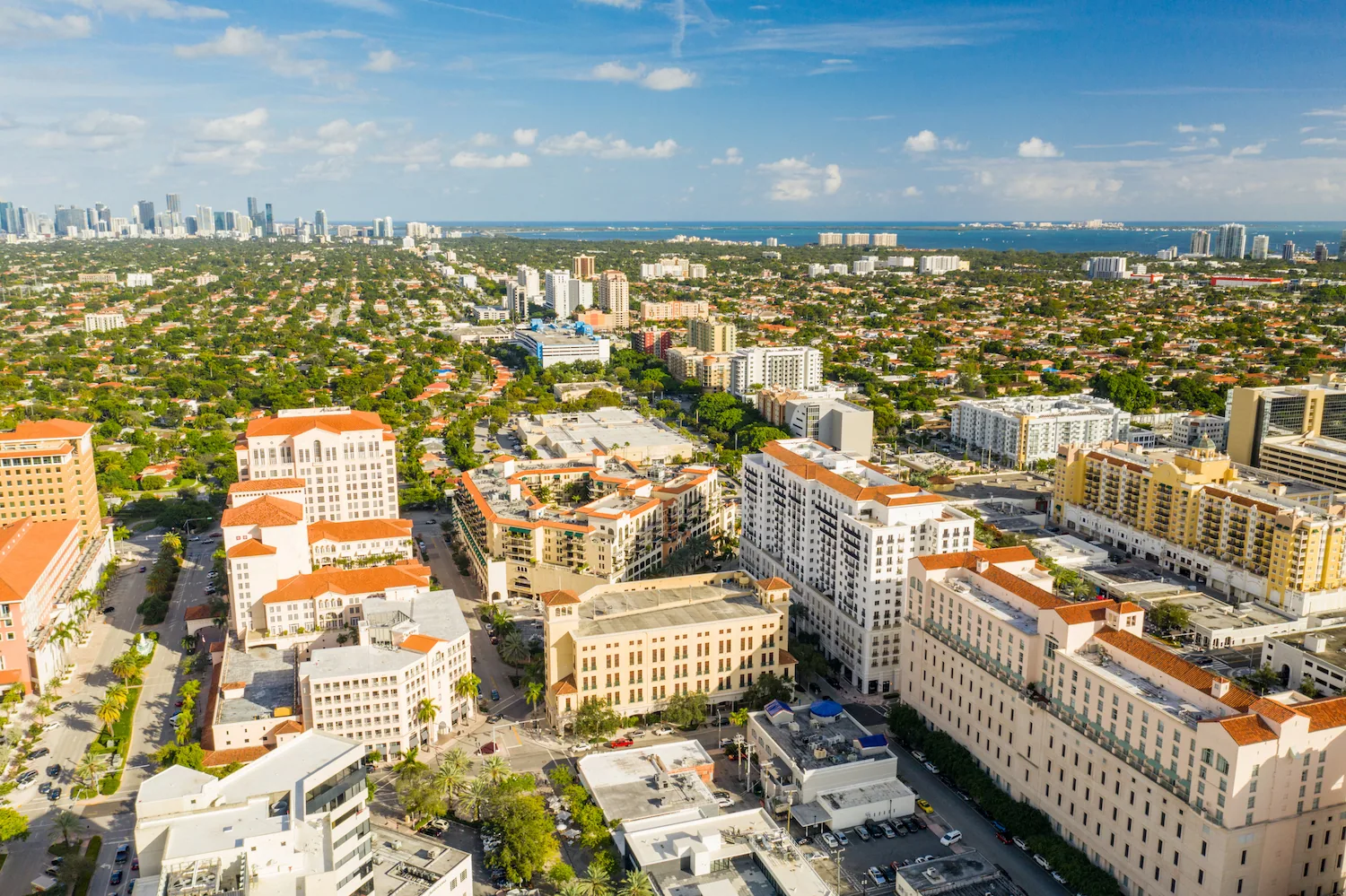
Miramar, Pembroke Pines, Davie, Hollywood, Opa-locka, Miami Gardens, Miami Lakes and Doral in Broward and northern Miami-Dade County.
Request a Roof Assessment
Send the building address and what the roof is doing. We reply with a roof visit date and a written scope.